Tel: +255 768 670 133
Tel: +255 768 670 133 | sales@kishapuiadventure.com
Conservation in Tanzania Protecting Nature for Future Generations with Kishapui Africa Adventures
Tanzania is one of Africa’s most naturally rich and biologically diverse destinations, home to vast savannahs, ancient forests, freshwater lakes, and thriving marine ecosystems. From the endless plains of the Serengeti and the dramatic Ngorongoro Crater to the remote wilderness of southern Tanzania and the coral rich waters of the Indian Ocean, the country offers some of the most important wildlife habitats on the continent. These landscapes are not only breathtaking to explore but are also vital for the survival of countless plant and animal species.
At Kishapui Africa Adventures, we believe that responsible and sustainable tourism plays a key role in protecting Tanzania’s natural heritage. Our travel experiences are designed to allow guests to enjoy extraordinary wildlife encounters while supporting conservation efforts that help safeguard these environments for future generations.
Why Conservation Matters in Tanzania
Conservation is essential to maintaining Tanzania’s ecosystems, wildlife populations, and the livelihoods that depend on them. Protecting nature ensures that both people and wildlife can thrive together in a balanced and sustainable way.
Protecting endangered wildlife
Tanzania is home to the iconic Big Five as well as vulnerable species such as cheetahs, African wild dogs, and black rhinos. Conservation initiatives help combat poaching, reduce habitat loss, and support long term species survival.
Preserving healthy ecosystems
Well protected habitats maintain natural predator and prey relationships, water systems, and vegetation cycles that support biodiversity across the country.
Supporting local communities
Conservation driven tourism creates employment opportunities in guiding, park management, hospitality, and community based projects, improving livelihoods and promoting local stewardship of wildlife.
Sustaining tourism and national heritage
Wildlife tourism is a major contributor to Tanzania’s economy and plays a crucial role in funding national parks, conservation programs, and community initiatives.
Protected Areas and Conservation Destinations in Tanzania
More than a quarter of Tanzania’s land is protected through national parks, conservation areas, game reserves, and marine sanctuaries. Some of the country’s most important conservation landscapes include:
Serengeti National Park
Famous for the Great Migration, this globally significant ecosystem supports millions of wildebeest and zebras alongside large predator populations and is recognized as a UNESCO World Heritage Site.
Ngorongoro Conservation Area
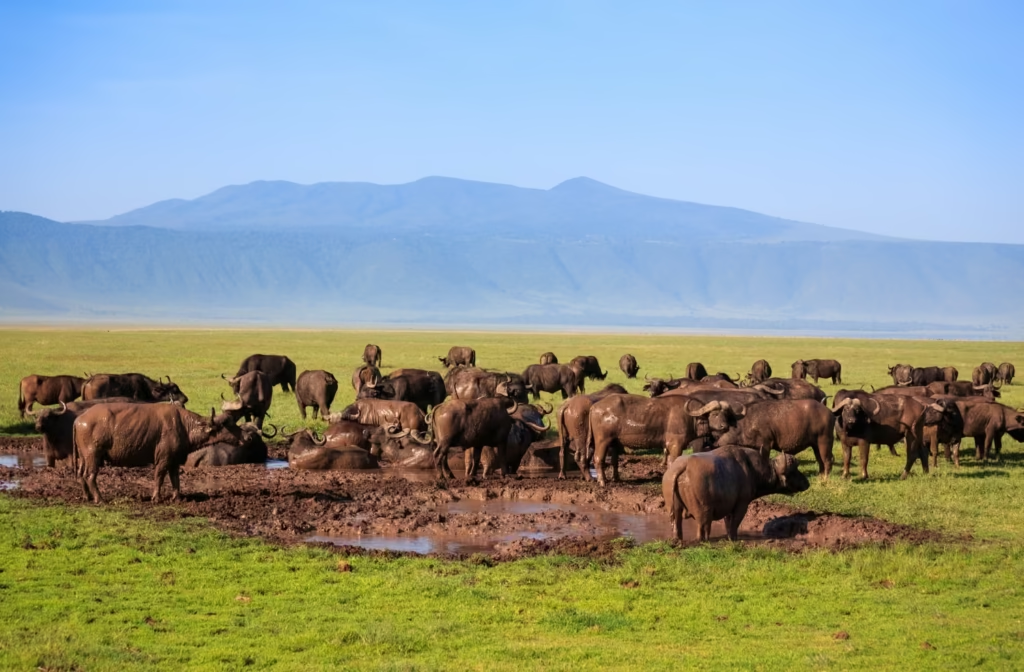
A unique multiple land use area where wildlife conservation and Maasai pastoralism coexist, featuring one of Africa’s highest wildlife densities within the Ngorongoro Crater.
Tarangire National Park
Known for its large elephant herds and iconic baobab trees, Tarangire plays a critical role as a dry season refuge for wildlife and highlights the importance of water conservation.
Ruaha National Park
Tanzania’s largest national park, offering vast and untouched landscapes ideal for low impact tourism and long term conservation success.
Nyerere National Park
One of the largest protected areas in Africa, providing vital habitat for endangered species and supporting conservation through carefully managed tourism.
Marine conservation areas
Coastal and island reserves protect coral reefs, sea turtles, and marine life, promoting sustainable snorkeling and diving while preserving ocean ecosystems.
Key Conservation Challenges in Tanzania
Despite strong protection efforts, Tanzania continues to face conservation challenges that require ongoing collaboration and responsible tourism practices.
Poaching and illegal wildlife trade
Illegal hunting remains a threat to species such as elephants and rhinos, making anti poaching patrols and conservation funding essential.
Human wildlife conflict
As communities grow near protected areas, interactions with wildlife increase. Community conservation programs help reduce conflict and promote coexistence.
Climate change and habitat pressure
Changes in rainfall patterns, deforestation, and land use impact wildlife habitats. Reforestation and sustainable land management help address these challenges.
Unsustainable tourism practices
Irresponsible behavior can harm fragile environments. Well managed tourism ensures wildlife is protected while still providing meaningful visitor experiences.
Conservation Organizations Supporting Tanzania
Numerous organizations work alongside government authorities and local communities to protect Tanzania’s wildlife and ecosystems. These efforts include park management, research, education, anti poaching programs, and marine protection initiatives, all contributing to long term conservation success.
How Travelers Can Support Conservation in Tanzania
Visitors play an important role in protecting Tanzania’s natural heritage through mindful travel choices.
Choose responsible tour operators
Travel with companies that prioritize sustainable practices, support local communities, and respect wildlife regulations.
Respect park rules and wildlife
Stay on designated roads, avoid disturbing animals, and follow guidelines set by park authorities and guides.
Support community initiatives
Engage in cultural experiences and projects that benefit local people and encourage conservation awareness.
Reduce environmental impact
Minimize waste, avoid single use plastics, and support eco friendly lodges and camps.
Experience Responsible Travel with Kishapui Africa Adventures
At Kishapui Africa Adventures, conservation is woven into the way we operate. Our safaris and tours are carefully planned to reduce environmental impact while offering authentic and educational experiences across Tanzania’s most iconic landscapes. By traveling with us, you are not only exploring the beauty of Tanzania but also contributing to the protection of its wildlife, ecosystems, and communities.
Join us in discovering Tanzania responsibly and helping preserve its natural wonders for generations to come.