Tel: +255 768 670 133

Tel: +255 768 670 133 | sales@kishapuiadventure.com
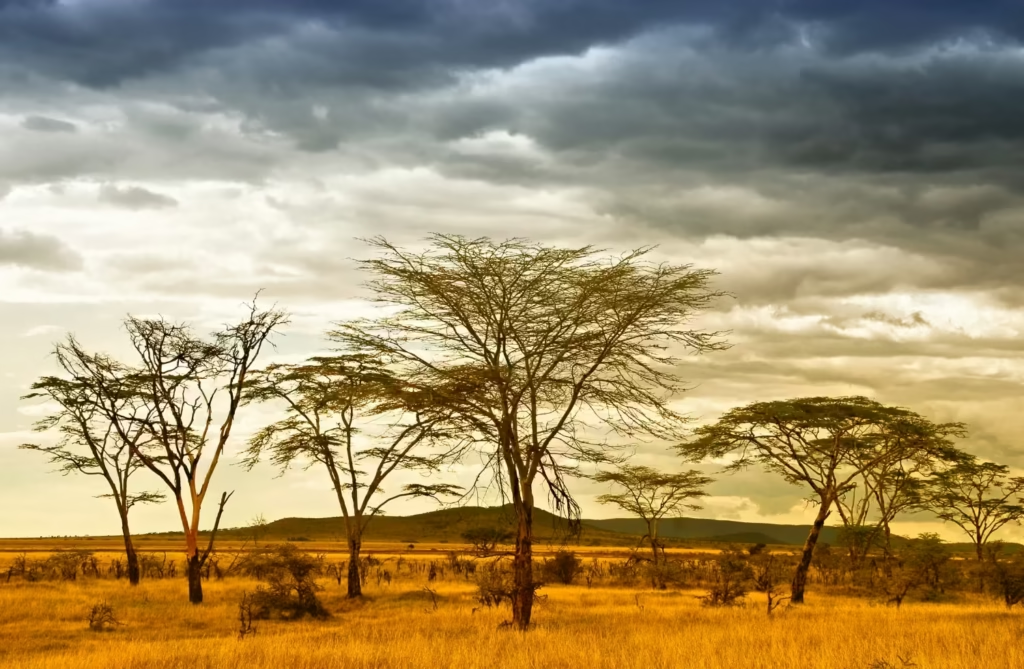
A safari in Tanzania is one of the most rewarding travel experiences in the world. From witnessing the legendary Great Migration in the Serengeti, descending into the wildlife-rich Ngorongoro Crater, to observing large elephant herds in Tarangire National Park, Tanzania offers extraordinary encounters with nature at every turn.
At Kishapui Africa Adventures, we specialize in creating personalized safari journeys designed around your interests, travel style, and budget. Proper preparation is the key to enjoying a smooth, safe, and unforgettable safari. This complete guide will help you plan confidently and make the most of your Tanzanian adventure.
Step 1: Choose the Best Time for Your Safari
Tanzania is a year-round safari destination, and each season offers unique highlights:
Dry Season (June to October)
Green Season (November to May)
Calving Season (January to March)
Your ideal travel period depends on whether you prefer action-packed wildlife encounters or a quieter, more scenic safari.
Step 2: Secure Your Travel Documents
Before traveling to Tanzania, ensure you have the following documents ready:
Keep both physical and digital copies of all important documents for convenience and security.
Step 3: Pack Smart for Your Safari
Packing thoughtfully ensures comfort in changing weather conditions and enhances your safari experience.
Recommended Clothing
Essential Gear & Accessories
Health & Safety Items
Step 4: Vaccinations & Health Precautions
Consult your healthcare provider before traveling. Commonly recommended vaccinations include:
Tanzania is a malaria-risk area. Preventive measures such as medication, insect repellent, and protective clothing are essential.
Step 5: Understand Safari Etiquette
Responsible travel helps protect wildlife and local cultures:
These guidelines ensure your safety and preserve Tanzania’s natural heritage for future generations.
Step 6: Manage Your Money & Payments
Planning your finances ahead ensures peace of mind throughout your journey.
Step 7: Connectivity & Communication
Safari destinations often have limited network coverage:
A safari is the perfect opportunity to disconnect from daily routines and reconnect with nature.
Step 8: Embrace the Safari Experience
With everything prepared, it’s time to enjoy the magic of Tanzania. Whether tracking lions across the Serengeti plains, watching elephants beneath ancient baobab trees, or engaging with Maasai communities, every moment is a memory in the making.
At Kishapui Africa Adventures, our experienced guides, handpicked accommodations, and carefully crafted itineraries ensure your safari is seamless, enriching, and truly unforgettable.
Plan Your Safari with Kishapui Africa Adventures
Ready to explore Tanzania’s wild beauty? Let us create a safari experience tailored just for you.
Location: Arusha, Tanzania
Email: in**@***************re.com
Website: https://kishapuiadventure.com
Your unforgettable Tanzanian safari begins here. Contact Kishapui Africa Adventures today and step into the heart of Africa’s wilderness.